Menu
Your Cart
NOTICE: We have Fully discontinued physical walk-in customer service, RFQ, and LPO processing. Nerokas is now a FULLY DIGITAL ONLINE STORE, and our virtual assistant, Ginō AI, is here to help you navigate and checkout. Just ADD your Items to cart and type CHECKOUT on Ginō. Please note that corporate customers must register a corporate account to ensure proper Digital eTIMS/VAT processing.

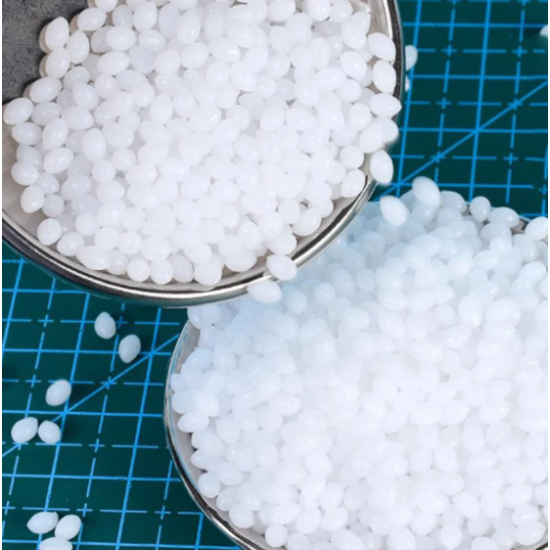
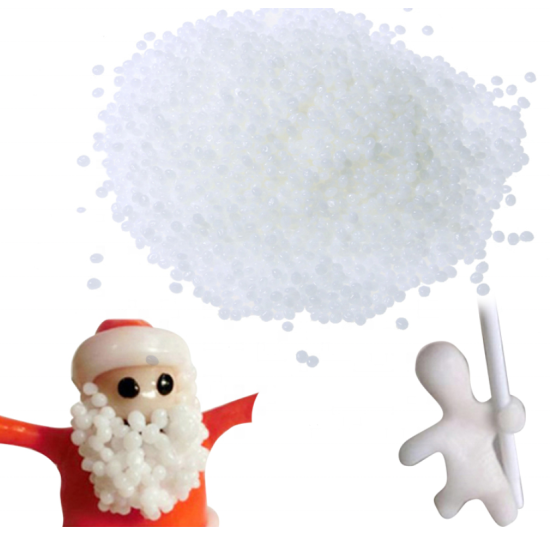
500g Polymorph Thermoplastic Pellets (Polycaprolactone / Friendly Plastic)

500g Polymorph Thermoplastic Pellets (Polycaprolactone / Friendly Plastic)
New
500g Polymorph Thermoplastic Pellets (Polycaprolactone / Friendly Plastic)
KES 5,500.00
  • Stock: In Stock
  • Model: 500g Polymorph Thermoplastic P
  • Weight: 500.00
  • Dimensions: 220.00 x 150.00 x 45.00
  • SKU: 1354

Technical Composition and Polymer Chemistry

Polymorph thermoplastic pellets are engineered from premium-grade Polycaprolactone (PCL), a biodegradable polyester characterized by a semi-crystalline aliphatic molecular architecture. Synthesized through the ring-opening polymerization of epsilon-caprolactone, this specialized polymer exhibits a molecular weight optimized for superior mechanical toughness, elevated tensile strength, and low melt viscosity. The defining physical characteristic of Polycaprolactone is its remarkably low crystalline melting point, typically situated between 58 and 62 degrees Celsius (136 to 144 degrees Fahrenheit), paired with a glass transition temperature of approximately minus 60 degrees Celsius. This unique thermodynamic profile means that at nominal ambient operating temperatures, PCL resides well above its glass transition threshold, granting it extraordinary impact resistance, natural ductility, and fatigue tolerance comparable to ultra-high-molecular-weight polyethylene (UHMW-PE) and engineering-grade polyamides like Nylon 6.

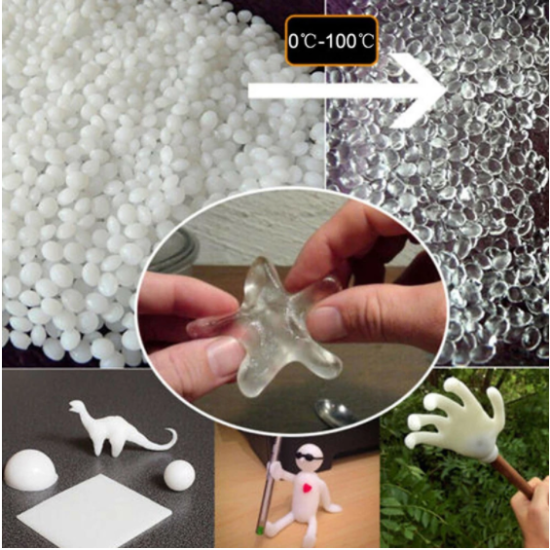
Unlike conventional petroleum-derived polymers that produce toxic off-gassing, polycaprolactone breaks down hydrolytically under composting conditions via ester bond cleavage into non-hazardous organic byproducts. The polymer chain retains outstanding hydrolytic stability in daily engineering use, resisting continuous exposure to ambient moisture, dilute mineral acids, weak alkalis, and oils. When heated to its activation envelope, the polymer chains uncoil from their rigid crystalline lattice into an amorphous, highly pliable, transparent elastomer. Upon cooling below 50 degrees Celsius, rapid crystallization nucleates throughout the polymer mass, restoring an opaque, high-density white structural state with zero degradation of mechanical characteristics, enabling virtually infinite thermal recycling cycles.

Thermal Dynamics and Phase Transition Characteristics

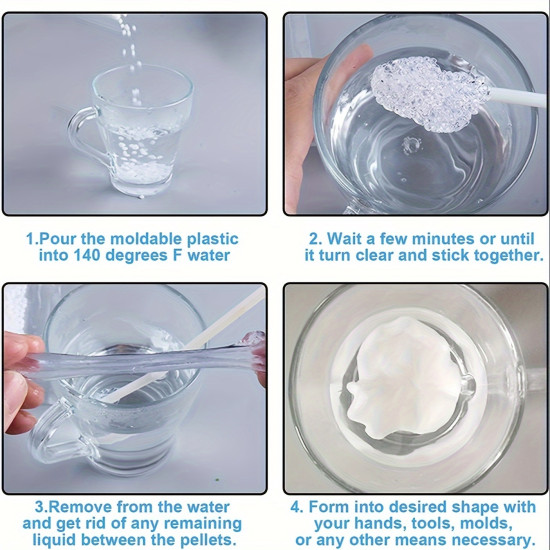
The phase transition dynamics of Polycaprolactone pellets make them an invaluable asset for rapid prototyping, additive modification, and field repairs. When solid, the pellets demonstrate a specific gravity ranging between 1.11 and 1.14 grams per cubic centimeter. Submerging the pellets in hot water at approximately 60 to 65 degrees Celsius triggers a macroscopic phase change within 60 to 90 seconds. As internal crystallization collapses, the opaque white granules coalesce into a clear, unified, viscous hydrogel-like mass. This visual shift from opaque white to optical clarity serves as an immediate, precise indicator of moldability, eliminating guesswork for technicians and fabrication engineers.

Thermal conductivity in Polycaprolactone is relatively low at approximately 0.15 Watts per meter-Kelvin, ensuring that the molten plastic cools gradually from the inside out. Once removed from the hot water immersion source, the external surface drops slightly in temperature, shedding surface water and allowing direct manual manipulation without adhering aggressively to human skin or gloves. The material maintains an open working time of three to five minutes at standard ambient laboratory temperatures (21 to 24 degrees Celsius). During this processing window, the mass possesses exceptional viscoelastic drape and shear compliance, allowing it to be stretched, rolled, stamped into negative dies, or molded around delicate mechanical and electronic assemblies without inflicting thermal shock or mechanical damage.

Mechanical Performance and Post-Processing Machining

Once room temperature thermal equilibrium is reached, Polycaprolactone displays mechanical properties matching rigid industrial thermoplastics. Its shore hardness stabilizes around Shore 55D to 60D, boasting a tensile yield strength of 16 to 20 Megapascals and an elongation at break exceeding 700 percent. This high elongation capability prevents catastrophic brittle failure; under extreme mechanical overloads, components fabricated from PCL undergo plastic deformation and strain hardening rather than sharp shattering or splintering. This behavior renders the material uniquely suited for structural members subject to continuous shock, cyclic vibration, or unpredictable torsional loads.

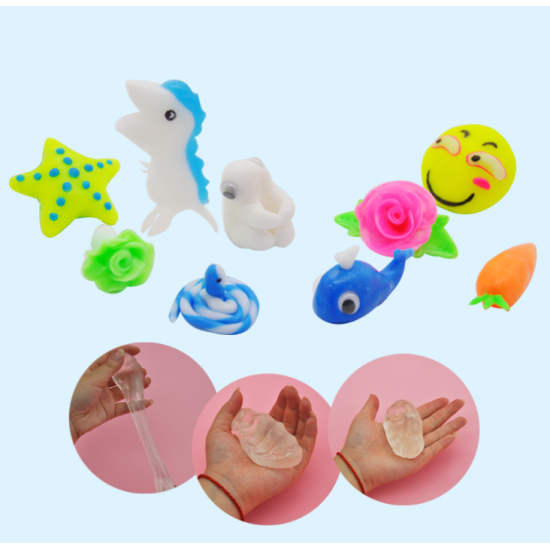
The fully cured material offers post-processing capabilities identical to machinable nylon, Delrin, or acetal homopolymer. Fabricators can mount solidified PCL components into traditional machine tools, including vertical milling centers, engine lathes, drill presses, and CNC routers. For successful subtractive machining, high-speed steel (HSS) or carbide endmills with polished flutes should be operated at conservative feed rates to prevent frictional heat accumulation, which could induce localized softening at the cutting interface. Furthermore, PCL readily accepts threading using standard hand taps, accepts thread-cutting self-tapping fasteners, and can be easily planed, rasped, shaped with rotary burrs, or wet-sanded using graded silicon carbide abrasive paper. Surface finishing can be enhanced through acrylic, enamel, or polyurethane coatings once primed, and permanent coloration can be integrated directly during the molten phase using masterbatch pigment pellets, alcohol inks, or powdered mica.

Embedded Electronics, Hardware Interfacing, and Thermal Constraints

While Polycaprolactone possesses no intrinsic electronic circuitry or active pinout configurations, it serves as a non-conductive, dielectric encapsulation medium and mechanical mounting substrate for active electronics, printed circuit boards (PCBs), and electro-mechanical hardware. Featuring a volume resistivity exceeding 10 to the 14th power Ohm-centimeters and a dielectric breakdown strength greater than 20 kilovolts per millimeter, PCL operates as an exceptional electrical insulator across low-voltage and medium-voltage direct current systems. Engineers routinely utilize the molten polymer to mechanically immobilize discrete lead-wires, embed strain-gauge load cells, encase passive sensors, and anchor threaded brass standoffs directly into custom enclosures.

When deploying PCL around electrical assemblies, careful consideration must be given to power dissipation and ambient heat. Electronic sub-assemblies that generate significant thermal energy—such as switched-mode voltage regulators, power MOSFETs, microcontrollers running without heatsinks, or high-discharge lithium-polymer battery packs—can easily approach internal operating temperatures of 50 to 60 degrees Celsius. In these configurations, PCL should never be used as a direct heatsink or thermal interface material, as localized overheating will induce creep, softening, and structural failure. Instead, PCL should serve as secondary support, outer chassis bracing, or cable management around components operating within safe, sub-50-degree thermal envelopes.

Application Use-Cases

1: Custom Sensor Enclosures and Transducer Mounts

In telemetry, robotics, and automation development, standard commercial off-the-shelf enclosures rarely conform to the spatial constraints of specialized sensor payloads. Polymorph enables technicians to hand-mold airtight, conformal structural housings for ultrasonic transceivers, infrared rangefinders, time-of-flight (ToF) modules, and inertial measurement units (IMUs). By pressing the molten plastic directly around an unpowered sensor module wrapped in a thin non-stick barrier, the housing captures every contour, creating seamless mounting shoulders and acoustic isolation chambers that reduce acoustic cross-talk and structural noise transmission.

2: Robotic Grippers and End-Effector Finger Moulding

Industrial pick-and-place automation, soft robotics, and research manipulators often handle irregularly shaped, delicate, or fragile objects. By melting and applying a customized layer of Polymorph onto rigid metallic robotic fingers, engineers can cast negative impressions of target components directly onto the end-effector. The resulting custom-fitted contact surfaces maximize frictional contact area, eliminate point-load stress concentrations, and drastically reduce the grip actuation force required to securely manipulate fragile parts such as glass vials, ceramic substrates, or populated printed circuit boards.

3: Cable Strain Relief and Connector Overmolding

High-flex wire harnesses, custom coaxial lines, and industrial cabling frequently fail at the junction between the flexible wire and rigid connector backshells. Polymorph provides rapid, cost-effective overmolding capabilities for field repairs and low-volume cable assemblies. Technicians can wrap hot, pliable PCL around D-sub, circular military-spec, micro-USB, or aviation-style connectors, extending several centimeters down the length of the cable sheath. The cured polymer creates an optimal modulus gradient that redistributes bending stresses away from delicate solder joints and crimp contacts, preventing conductor fatigue and wire fracture.

4: Ergonomic Tool Handles and Customized Grips

Custom production line tooling, scientific probes, soldering irons, and medical instruments often cause repetitive strain injuries when standard handles fail to match the operator's anatomical grip. Polymorph can be formed directly over hand tools, test probes, or surgical prototype grips, allowing the operator to grip the cooling plastic to create an exact, permanent hand impression. This personalized ergonomic interface distributes grip pressure evenly across the palm and fingers, dampens operational vibration, and significantly enhances precision during micro-assembly and high-accuracy manual fabrication tasks.

5: Rapid Standoffs, Spacers, and Bracket Fabrication

During the functional verification phase of electromechanical prototyping, developers frequently face misaligned mounting holes, unanticipated spatial interference, or non-standard component elevations. Instead of waiting hours for additive manufacturing (3D printing) or CNC subtractive machining, an engineer can fabricate durable standoffs, L-brackets, and spacers in minutes. Molten PCL can be pressed into the junction between a PCB and metal chassis; standard metric threaded brass inserts can be pushed directly into the cooling polymer, creating structurally stable, insulated, high-strength threaded mounting bosses.

6: In-Situ PCB Potting and Vibration Isolation

For electronic sensor nodes deployed in harsh, high-vibration field environments—such as marine data buoys, agricultural tractors, or competitive off-road robotic vehicles—internal components are susceptible to trace fracturing, component delamination, and humidity corrosion. Molten PCL can be carefully layered around completed, verified circuit boards to create a shock-absorbing potting matrix. The high mechanical dampening capacity of Polycaprolactone shields fragile passive components and crystal oscillators from high-G mechanical shocks, while providing an impermeable barrier against dust, moisture, and chemical aerosols.

7: Cam Mechanisms, Gears, and Low-Friction Mechanical Bushings

Due to its high self-lubricating characteristics and low coefficient of dry friction against polished metals, cured Polymorph serves as an exceptional material for rapid mechanical power transmission prototypes. Engineers can cast custom cam followers, irregular gear profiles, belt pulleys, and sleeve bushings by pressing the material into silicon molds or around existing gears. Its high abrasion resistance and wear tolerance allow it to endure long benchtop test cycles without galling or binding, providing immediate mechanical feedback before committing to expensive injection mold tooling or hardened steel machining.

8: Wearable Medical, Biomechanical, and Assistive Orthotics

Biomedical researchers, occupational therapists, and assistive technology developers leverage Polycaprolactone for custom patient-matched orthotic splints, rehabilitation braces, and prosthetic interface sockets. Because the material becomes malleable at a skin-safe temperature range when cooled slightly, it can be gently molded directly to the patient's anatomy over a protective cotton stockinette. The solidified brace exhibits rigid immobilization where thick structural ribs are shaped, yet offers compliant flexibility at trimmed margins, delivering optimal patient comfort, structural integrity, and fully modifiable adjustability as therapy progresses.

Thermal and Electrical Safety Considerations

When deploying Polycaprolactone across professional engineering and fabrication environments, technical staff must observe specific thermal boundaries to preserve material integrity and operator safety. Overheating the polymer beyond 100 degrees Celsius using direct open flames or concentrated hot air guns can trigger thermal degradation, chain scission, and the release of pungent organic vapors. Water bath heating remains the industry-standard method, providing controlled, uniform energy transfer and preventing thermal runaway. Although the solidified plastic is biologically inert, it remains susceptible to continuous structural distortion under prolonged mechanical loads when subjected to ambient temperatures exceeding 50 degrees Celsius.

Ginō Ginō AI - Nerokas AI Assistant
✕
Jambo! I am Ginō, a Nerokas AI Assistant and Africa's best Open Hardware Facilitator AI agent here to help. In order to serve you better and to help me give you accurate shipping estimates as we begin, could you please tell me your name and your location/city?

You can also ask about any hardware or type I'd like to order, I am looking for..., you can also LIST all SKUs & Quantity of desired items from our website here for me to help you Checkout automatically at anytime to fast-track your requests and orders.